
Vision ERP logo

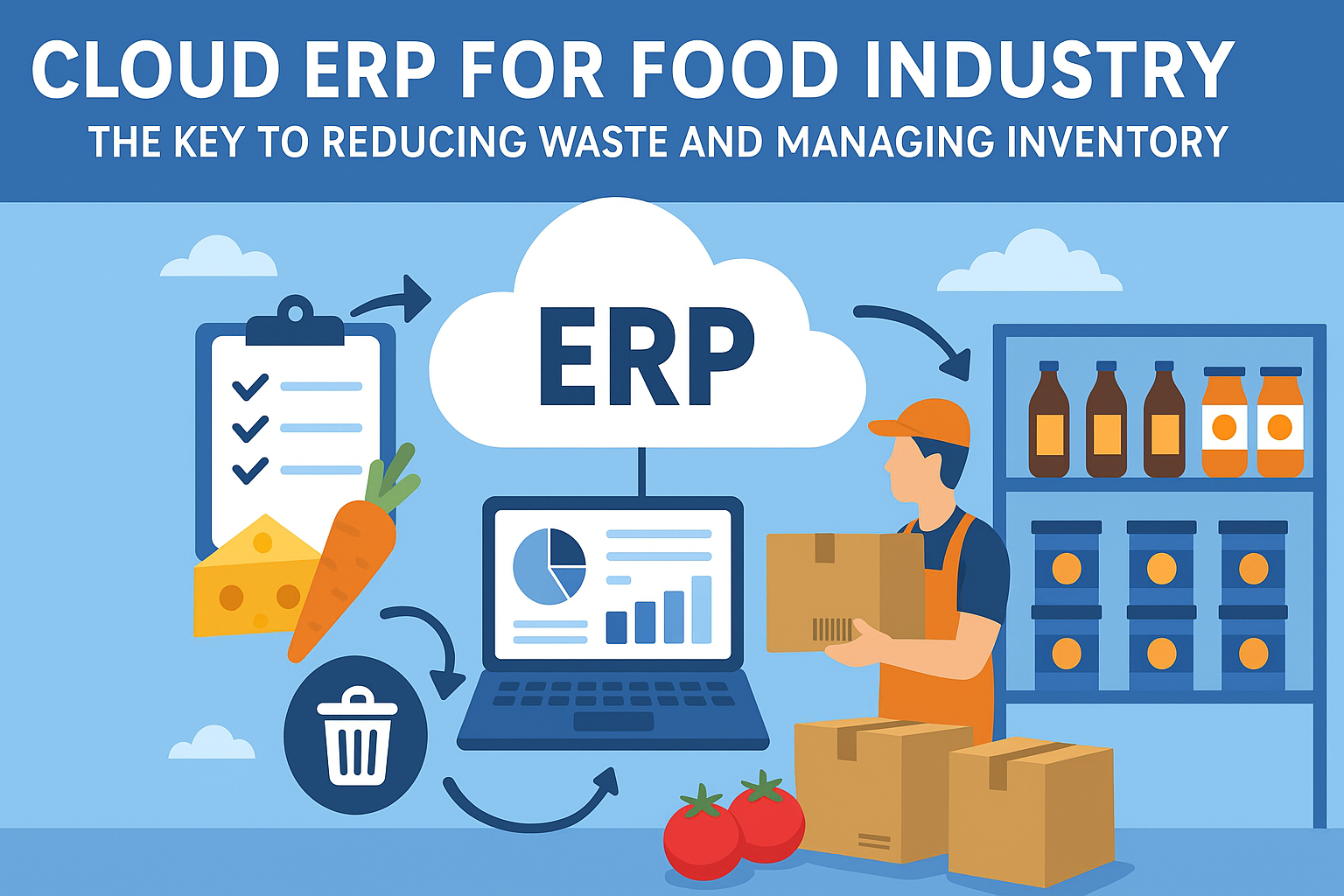
Best Cloud ERP for Food Industry Management Business At low Cost

Proteus brings over 20 years of deeply rooted experience addressing the highly specialized needs of the Food, Beverage, and FMCG industries. VISION ERP seamlessly automates food manufacturing, complex supply chain logistics, secondary sales force tracking, and stringent statutory compliance.

Our scalable cloud solution empowers everyone from fast-growing regional food brands to large, multi-plant food and beverage manufacturers with multi-geographical operations.

What is Food ERP Software and Why Do Manufacturers Need It?

Food ERP (Enterprise Resource Planning) is a highly specialized business management suite tailored specifically for the food and beverage industry. Unlike a standard accounting or generic inventory system, an enterprise Food ERP integrates precise recipe management, strict allergen control, shelf-life (FEFO) automated routing, and local/global regulatory compliance into a single source of truth.

Why it’s essential:

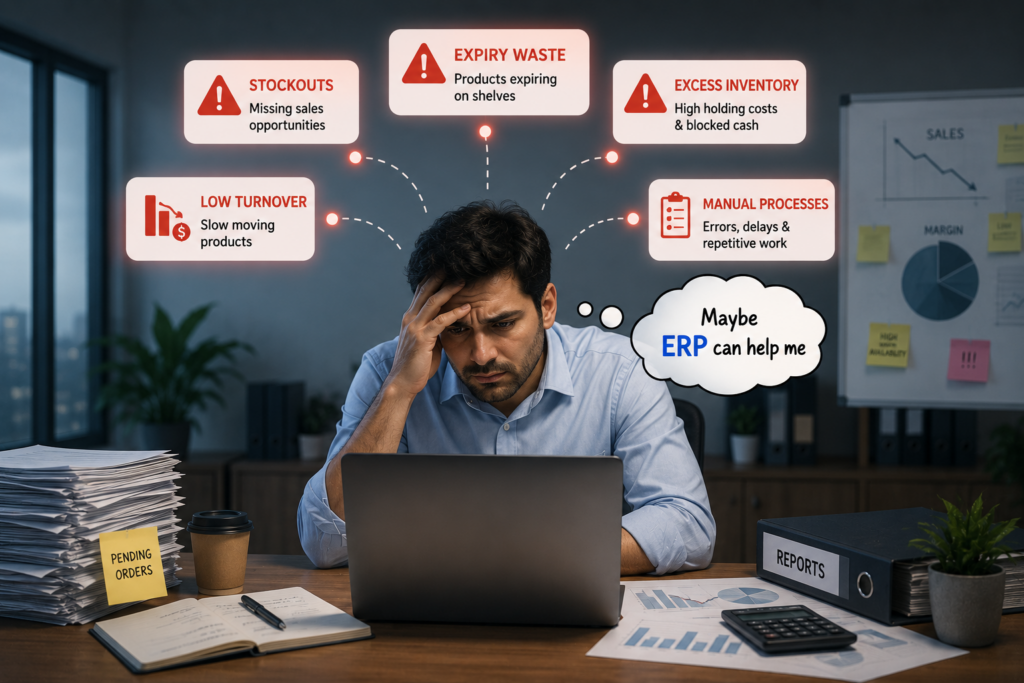
Food and beverage manufacturers navigate narrow profit margins, highly perishable inventory, shifting consumer trends, and strict audits by authorities like FSSAI, FDA, and HACCP. Without a dedicated process-manufacturing ERP system, food businesses face severe financial and operational risks, including catastrophic batch failures, manual recipe human-errors, unmonitored spoilage, and failed compliance checks.

Key Benefits

Compliance

Built-in tools controls and validation to address statutotry compliances of FDA and FSSAI and ensuring Saftey standards.

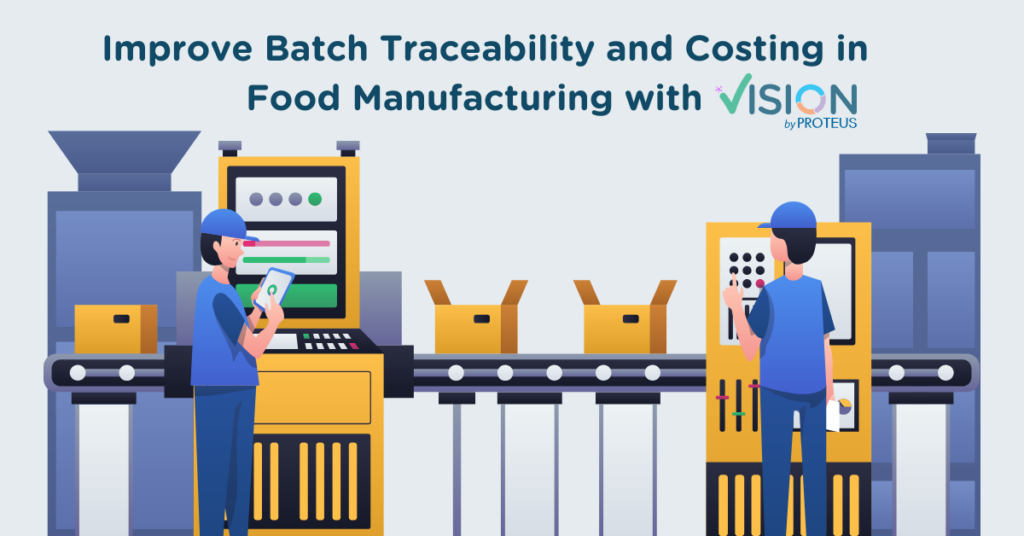
Batch Control and Traceability

Inherent batch controls with Shelf life , Expiry date , Retest date, & specialised material handling.

Cost Tracking

True visibility of product and batch costs across the SKUs.

Supply chain Complexites

Manage multiple pack sizes, Trade Offers and Schemes , distribution channels.

How VISION ERP Secures Your Food Supply Chain

A foundational requirement for modern food processors is the capability to launch an airtight, rapid mock recall or trace a compromised ingredient within minutes. VISION ERP provides immediate, bi-directional, end-to-end batch traceability.

1. Trace Forward (From Ingredient to Retailer Shelf)

When a raw material lot arrives at your warehouse, it is immediately assigned a unique tracking code. As ingredients are issued to the production floor, the system systematically logs exactly which raw material batches were mixed into specific finished product (FG) lots.

  • Beyond the Ingredients: The software simultaneously tracks the exact blending machinery utilized, the processing lines, and the shift personnel involved at every critical control point.

2. Trace Backward (From Retailer Shelf to Supplier)

If a quality anomaly is flagged in the market, your team can type the finished goods batch code into VISION ERP to instantly unravel the complete operational genealogy. In moments, you can track the issue back to the specific manufacturing run, the underlying raw ingredient delivery, and the exact vendor who supplied it. This allows your team to execute a surgical, highly targeted recall instead of an incredibly expensive and brand-damaging mass withdrawal.

Comparison: Specialized Food ERP vs. Generic ERP Systems


Feature

Specialized Food ERP (VISION ERP)

Generic ERP (Tally, SAP B1, ERPNext)

Inventory Logic

FEFO-Centric: Automatically tracks shelf-life, “best before” parameters, and isolates expired lots.

FIFO/LIFO-Centric: Focuses on quantities and broad costs; lacks automated expiration locking mechanics.

Recipe Management

Dynamic Yield Scalability: Dynamically scales ingredient volumes based on varying raw material moisture or potency.

Static BOM: Designed for fixed assembly lines (like electronics); lacks multi-version recipe flexibility.

Quality Control (QC)

Hard-Stop Gatekeeping: Prevents raw stock or finished batches from moving down the chain until QA digitally clears it.

Soft Alerts: Operates as manual updates that shop floor users can easily bypass.

Sales & Promotions

FMCG Matrix Native: Natively computes complex trade schemes, distributor discounts, and off-invoice promotions.

Manual Processing: Requires external modifications or cumbersome manual journal voucher adjustments.

Traceability Speed

Bi-Directional in Minutes: Generates full forward-and-backward audit reports with a single click.

Siloed & Manual: Demands hours or days spent pulling disparate ledgers and spreadsheets together.

Must-Have Modules for Food & Beverage Manufacturing

Recipe & Formulation Management

Securely manage multi-version recipes, track and formalize standard operating procedures (SOPs).

Warehouse & FEFO Inventory

Optimize multi-warehouse storage utilizing automated First-Expiry, First-Out rules, and real-time inventory updates.

Quality Assurance (QA/QC)

Enforce strict sampling plans at material receipt, and pre-dispatch testing while generating dynamic Certificates of Analysis (COA).

FMCG Sales & Channel Distribution

Seamlessly automate secondary sales reporting, track multiple tiers of C&F agents, and handle commercial product returns.

AI-Powered CRM & SFA

Equip field sales reps with automated route planning, digital ordering, retail display tracking, and instant depth-and-display audits powered by Vision AI.

FAQs:

1. What is an ERP system for the food industry?
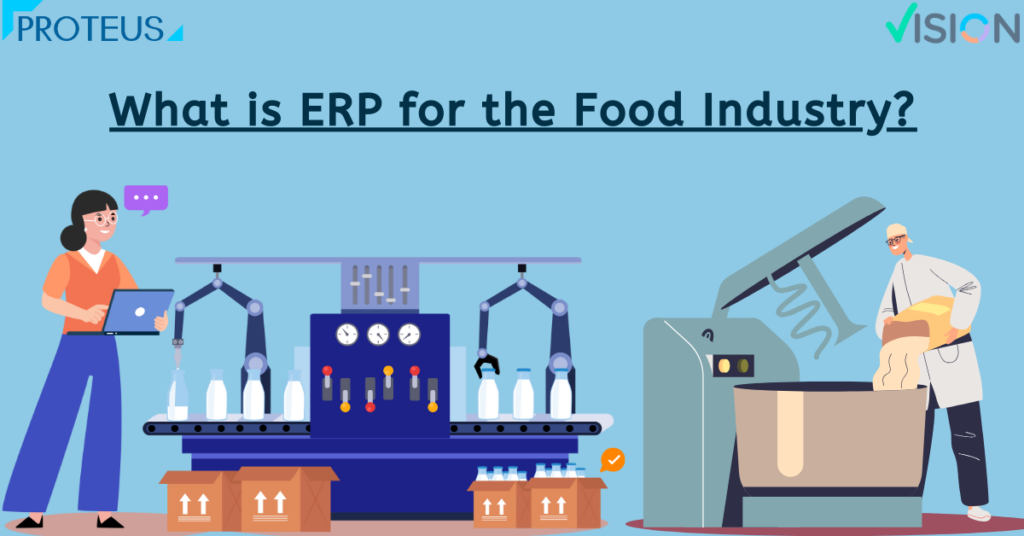
An ERP for the food industry is a comprehensive software platform custom-built to handle process manufacturing workflows. It unifies operations like recipe optimization, material requirements planning (MRP), automated batch tracking, quality control, cold-chain logistics, and financial reporting into one integrated architecture.
It records real-time data points at every phase of the supply chain. By linking item lot numbers through receipt, storage, mixing, packaging, and shipping, it allows food brands to instantly trace product lineages backwards and forwards, fulfilling regulatory requirements for audit preparedness.
Yes. By deploying automated FEFO (First-Expiry, First-Out) inventory rules, the ERP identifies expiring ingredients early, guides warehouse workers to use older inventory first, and alerts managers before spoilage occurs, lowering overall operational waste.
Cloud architectures provide real-time visibility across multiple production plants and distribution centers without requiring heavy on-premise servers. It allows remote access for warehouse staff and field sales agents, provides automatic updates for changing regulatory laws, and scales alongside business growth with lower upfront costs.
ERP for Food Industry

What is ERP for Food Industry?

What is ERP for Food Industry? In the current scenario, it is next to impossible for Food and beverage companies to operate without an ERP solution to address the needs of their customers, stakeholders, and statutory bodies. Let us have a look at some of the key areas in which

Read More »
Vision ERP for Food Industry

ERP for Food Industry

No business, like the Food business The food industry is known for its complexity and diversity, characterized by a multitude of regulations and compliance requirements. This complexity poses significant challenges when it comes to maintaining comprehensive records and ensuring strict adherence to processes and procedures. Furthermore, the wide range of

Read More »